
Producing Performance for the Camera
Filmed performance fails when it is treated as a record. It works when the camera is given a point of view in the room.
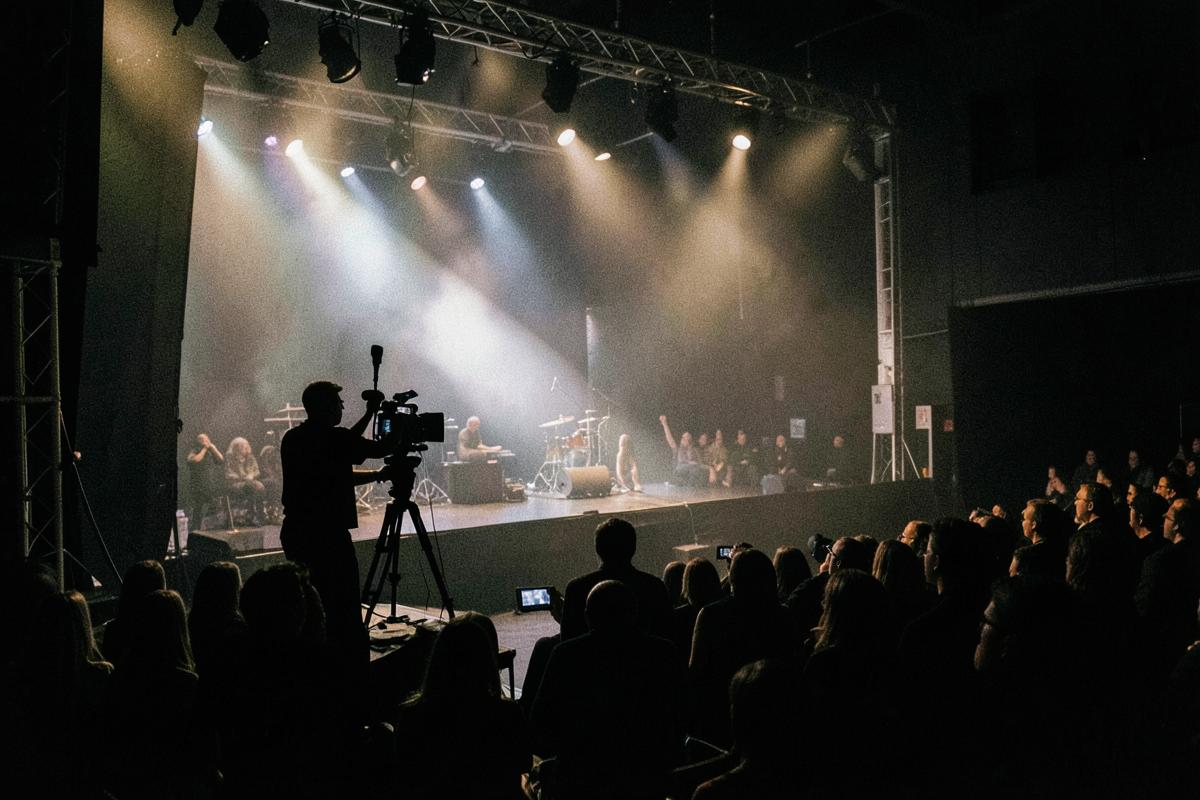
The decisive choice in performance capture is made weeks before the first camera arrives: whether the film exists to preserve a staging or to interpret it. Productions that never resolve this question deliver something technically competent and emotionally inert.
Interpretation requires access to the rehearsal process. A camera plan written from a finished production can only follow. A camera plan built alongside the staging can anticipate, and anticipation is what makes filmed performance read as cinema.
Blocking is a shared document
We ask for camera positions to be discussed in the same conversation as sightlines. Directors are protective of the room, reasonably so, and the answer is not more crew but fewer people staying longer.
A small unit embedded for the full rehearsal period costs less and yields more than a large unit parachuted in for a two-day capture.
Sound decides the edit
Audiences forgive an imperfect frame. They do not forgive a performance that sounds like it was recorded from row H. Immersive capture in rehearsal, remixed properly, is the single highest-return line in a performance budget.